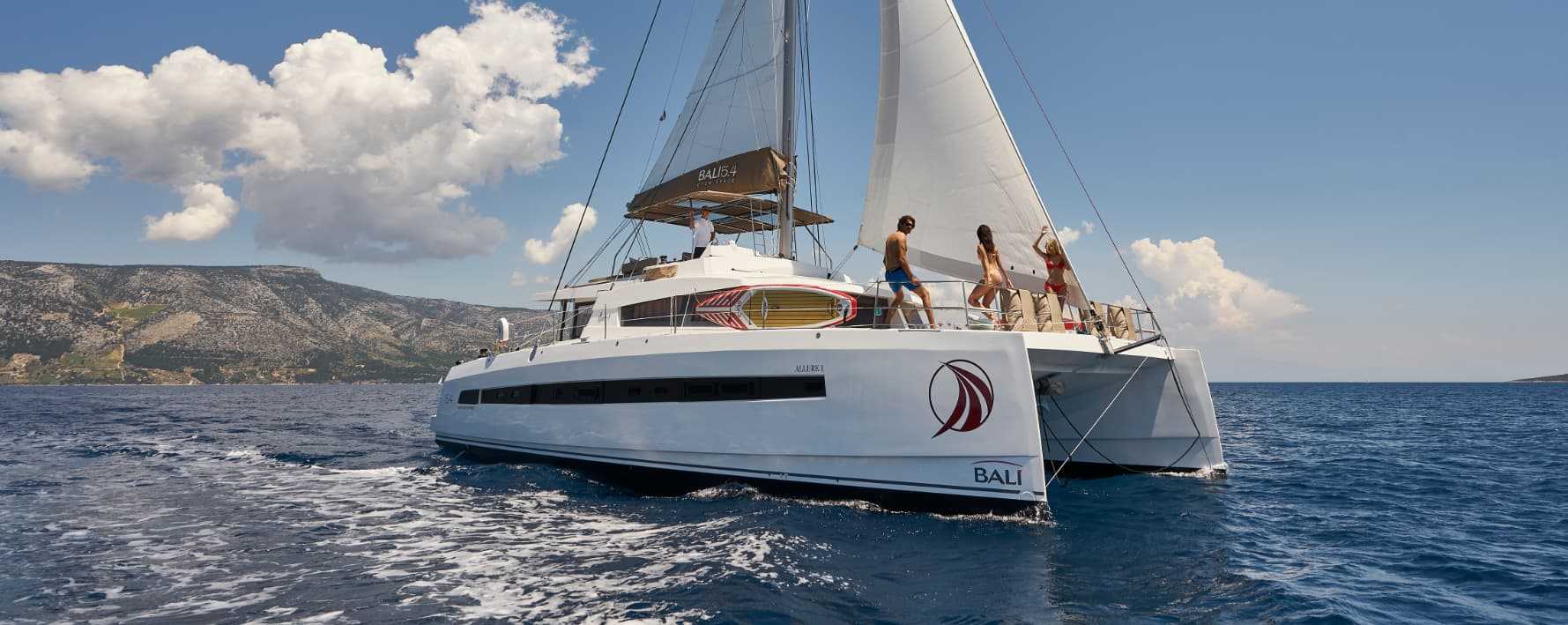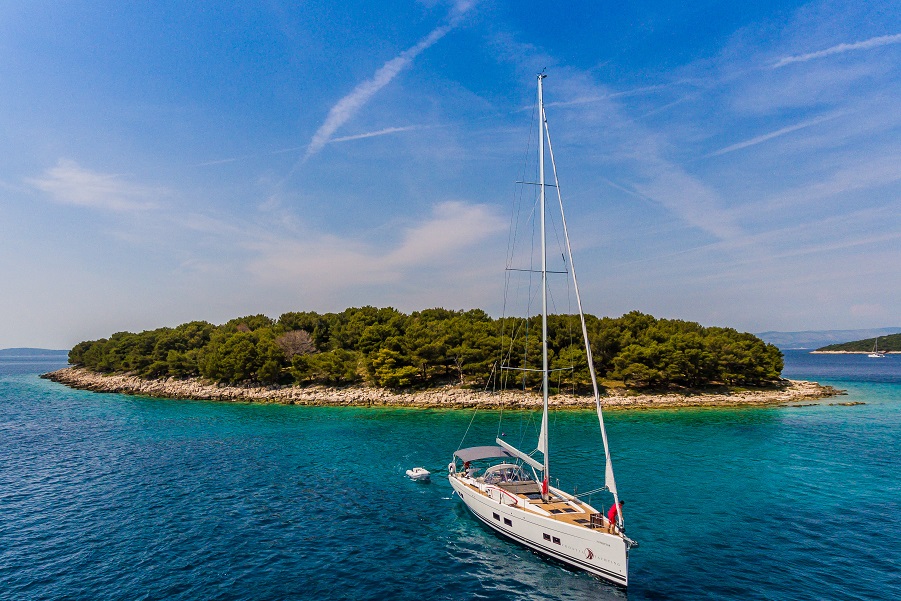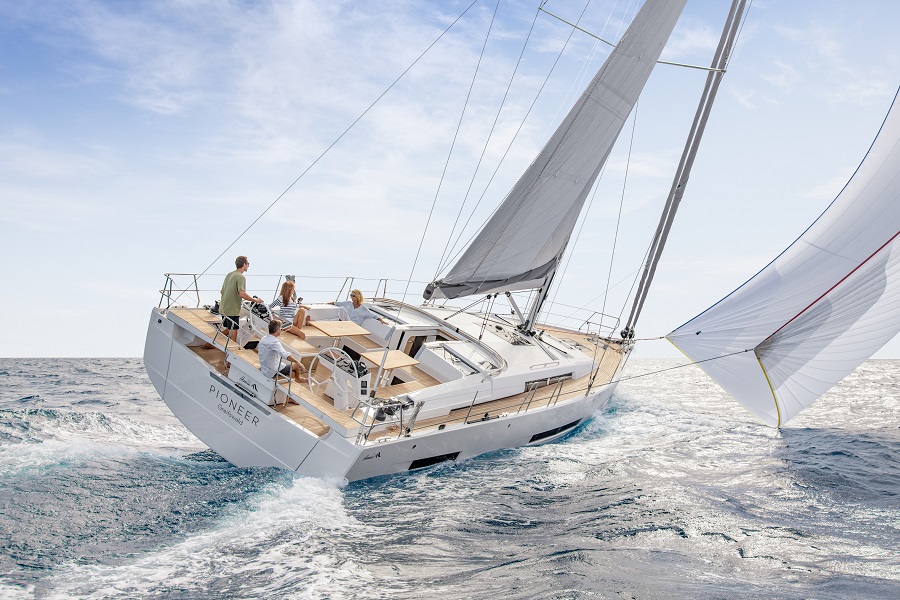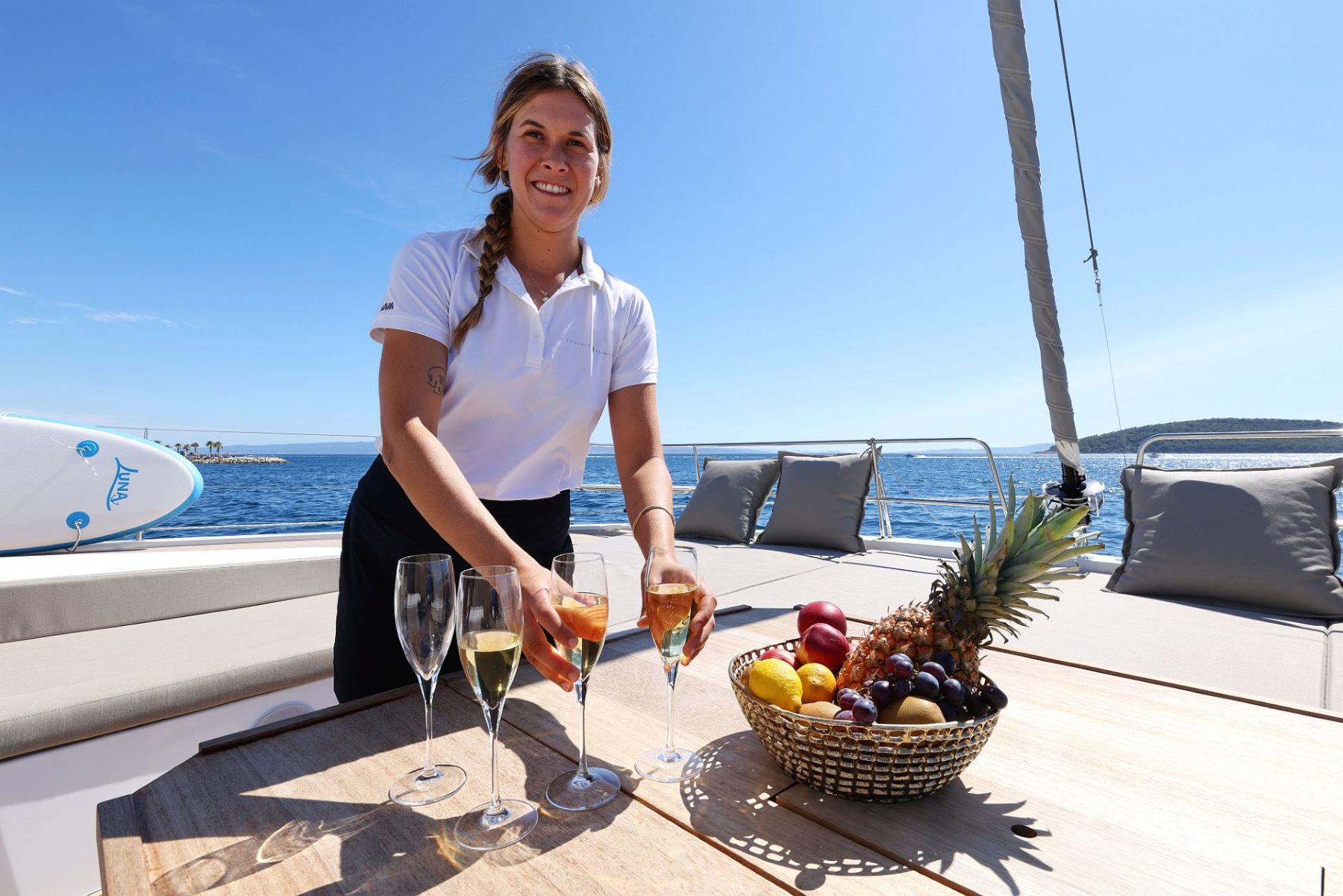
Dreaming of a career in Yacht Chartering? Here's a detailed guide what you really need

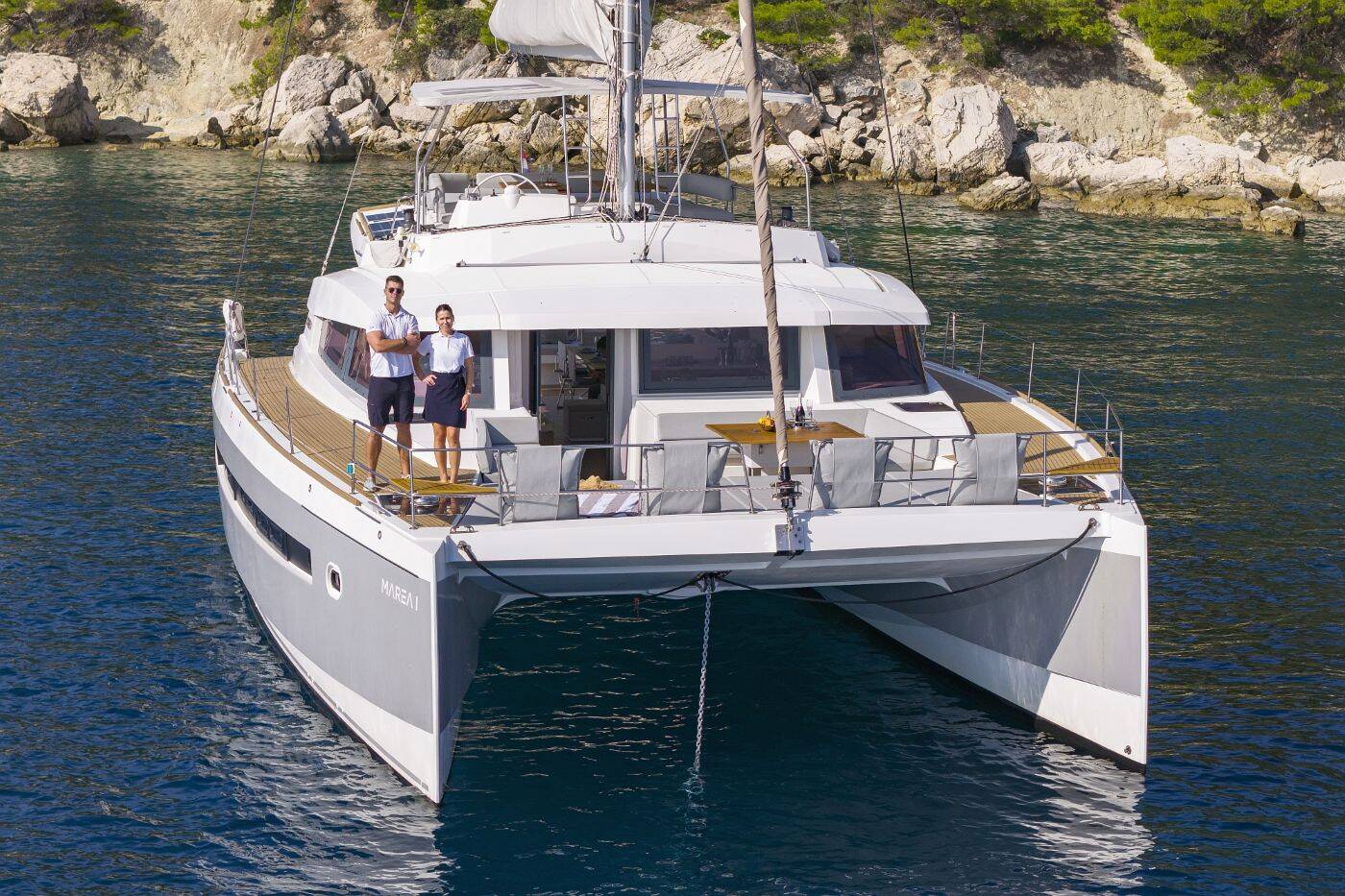
The Adriatic draws guests seeking luxury coves and starry evenings, but it also offers a thriving business world where crewed charter yachts hunt for teams that transform a week of sailing into stories retold for years. From morning anchoring in Hvar's hidden bays to aperitifs on the stern amid the Pakleni Islands, every yacht role follows its own rhythm: physically demanding for some, intuitively precise for others, always requiring a deep love for the sea and a knack for guests. The scent of fresh fish at dawn markets, salt on hands from ropes, smiles from repeat guests—these moments infuse crew life, revealing that behind the glamour stand people who truly make the sea their home.
Coming from Zagreb or another inland city, this world might seem distant, reserved for "seafaring" families raised in marinas. Yet the path to your first shift aboard has grown far more accessible than a decade ago: standardized courses, clear certifications, and digital platforms with crew job listings make yachting entry concrete and real, if you're ready for hard work beyond Instagram snaps. This guide covers common jobs on crewed charter yachts and five key steps from your first "yacht crew jobs" Google search to standing on the stern, securing lines in your debut season.
Three myths about yachting
First encounters with yachts often come via social media: sunlit decks, cocktails in hand, leaps from the stern into turquoise waters. Career reality at sea strays far from that filtered image, so debunking myths saves time and money before investing in certificates.
Myth 1: "Only for the rich and models"
Reality stays grounded: entry jobs welcome enthusiasts from all backgrounds—deckhands from landlocked cities without maritime roots, hostesses from hotels, cafes, or reception desks. No casting calls, but certificates, a basic medical check, and people skills matter; solid English and work ethic often outweigh "lifestyle" looks.
Myth 2: "All-day parties and cocktails"
Parties happen sometimes, but yacht days stretch 12-14 hours with cleaning, provisioning, handling crises big and small, marina communications, and constant safety vigilance. Fun arrives post-guest departure or bedtime, often swapped for showers, quiet, and sleep before the next check-in.
Myth 3: "Rapid advancement without effort"
It sounds simple on paper—a season or two as deckhand, then skippering routes—but reality demands sea time, extra certificates, and networks from seasons past. Progress from deck to chief stewardess or skipper builds over hundreds of miles, repeat guests calling your name, and captain or agent recommendations proving reliability.
Deckhand: Frontline on Deck
The fastest yachting entry for many is deckhand, who keeps decks impeccable, ties lines in swells, and assists the skipper when winds pick up. Polishing stainless steel gleaming in the sun, washing decks in early morning quiet before guests' first cappuccino, raising anchors in tight coves, hauling gear bags in salty gusts—these build salt-tough hands and a body ready for long days on foot.
Many start here, first feeling part of something bigger on deck: a team guiding guests through the Adriatic, fixing issues before guests notice, ensuring the yacht shines in every marina. Entry stays achievable: basic STCW Safety Training (about a week), ENG1 medical certificate, and eagerness to learn signals, knots, safety protocols—experience isn't always decisive, as enthusiasm, fitness, and basic English prove key.
For industry contacts, many volunteer or daywork events like The Yacht Week or Sailweek, or winter maintenance in bases like Kaštela or Šibenik, meeting captains, brokers, and crew. Long sun hours in work overalls—not swimsuits—test drive, but nailing your first anchor in a glassy cove often seals the realization it was worth it.
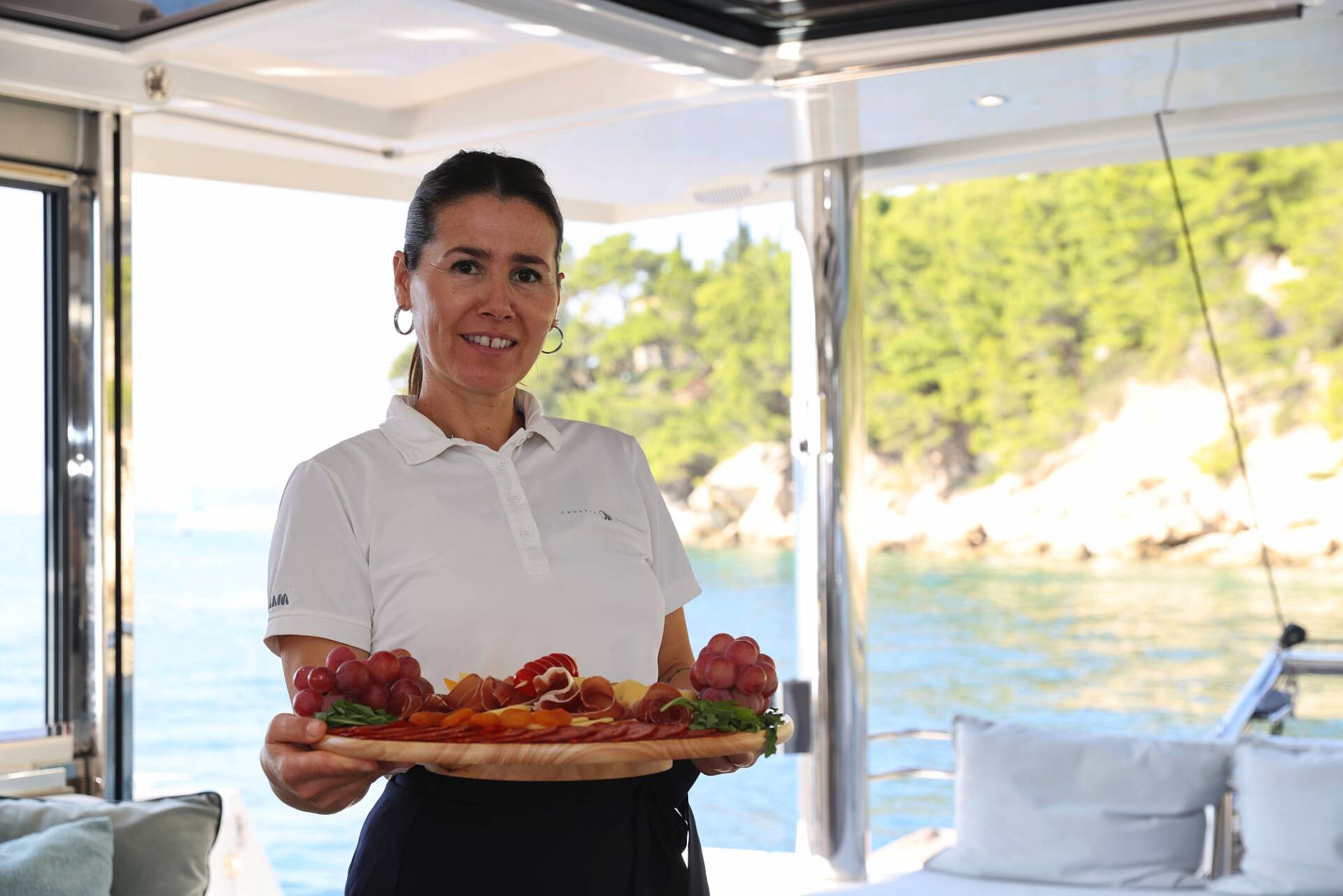
Hostess: Interior That Keeps Guests Coming Back
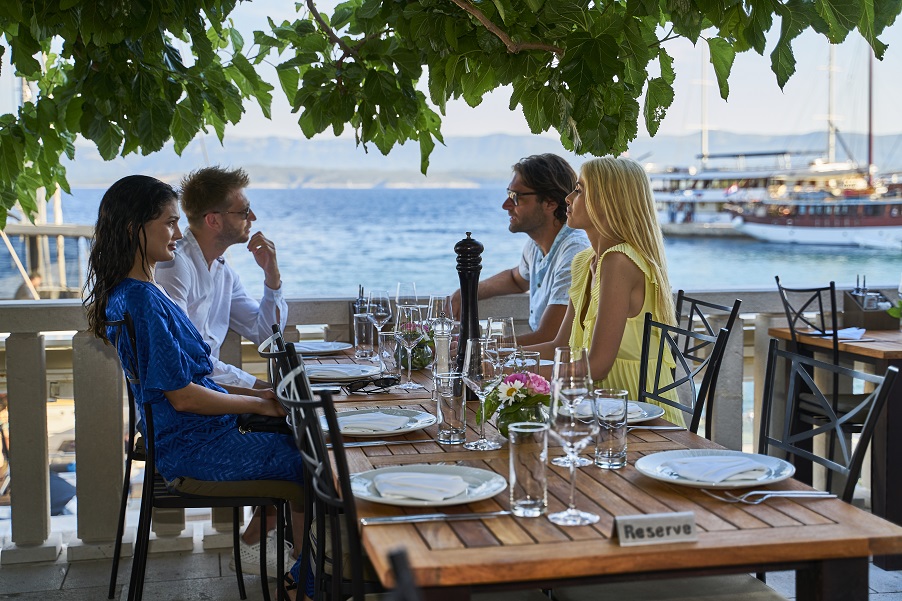
While deckhands handle the sun-glistening exterior, the hostess brings the interior alive, turning cabins into floating sanctuaries. The yacht's inside thrives through her: serving sunset aperitifs as the sea turns orange, making cabins feel like boutique hotels, anticipating needs before they're voiced. Chilled Pošip fresh from the rosé, perfectly made beds post-island explorations, details like fresh salon flowers or guest-preferred towel folds—these draw returns to the same yacht and crew.
Entry basics match other crew: STCW Basic Safety, medical check, solid English, often plus housekeeping/service modules covering wine/food service fundamentals. Hotel, restaurant, or cafe experience helps, as do floral arranging, basic mixology, local gastronomy knowledge—from deck breakfasts to island-inspired dinners.
Hostess work exceeds "just serving": it's interior organization, provisioning planning, menu chats with chef or skipper, balancing professional distance with warm guest rapport. First gigs come via agencies or Facebook groups like "Croatia Yacht Crew," specialist job boards seeking sole stewardesses on smaller yachts—ideal training grounds for service to inventory.
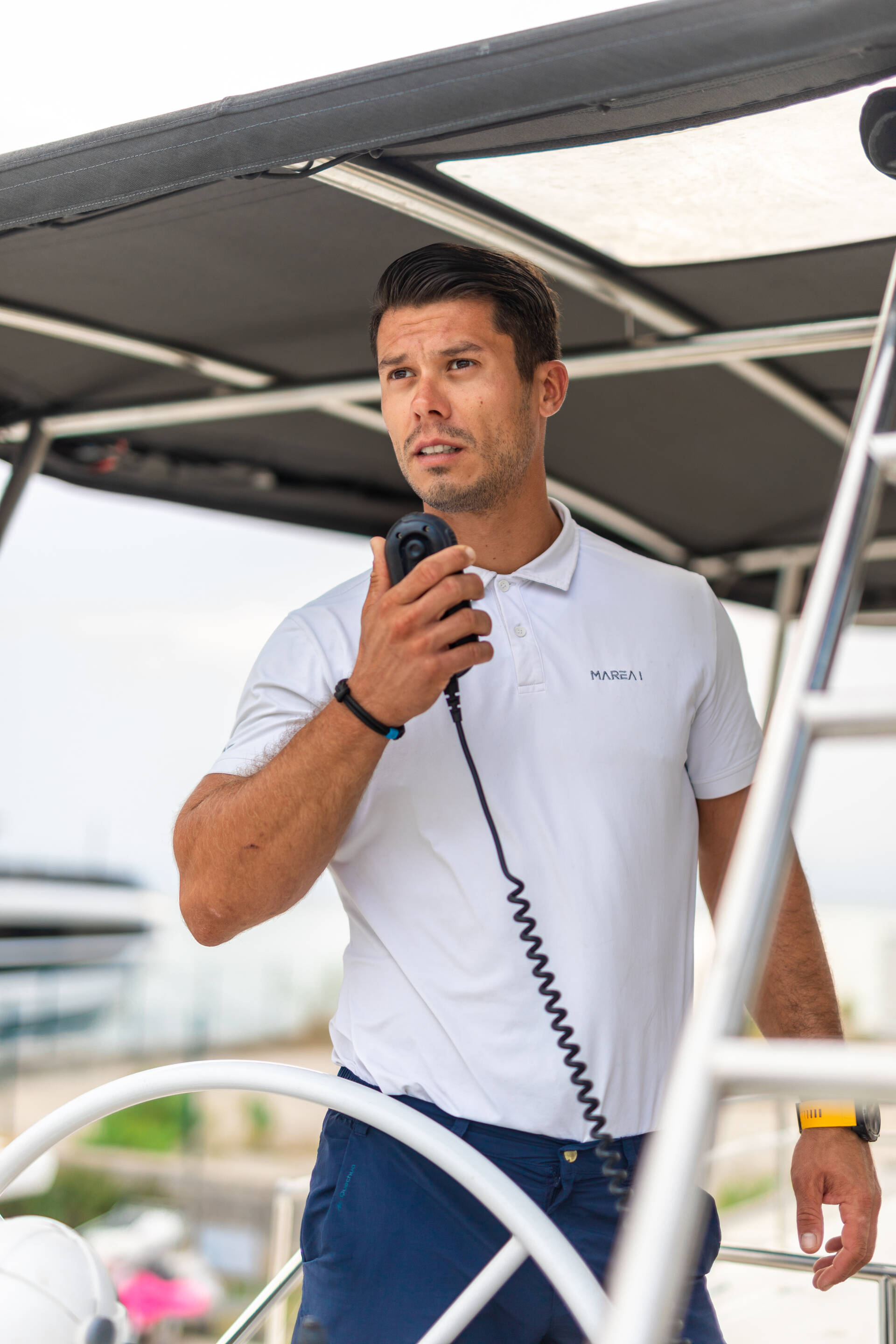
Skipper: Captain of routes and crises
From cabins and galley, the story reaches the skipper at the helm—the one holding it all together, reading the Adriatic like an open book, with final say on routes to storm shelters. The skipper hearts operations: sensing winds whispering through sails, plotting Dubrovnik-to-Kornati paths, advising on hidden coves, prioritizing crew and vessel safety even when bura shifts plans.
In crewed charters, skippering blends helm with hosting: suggesting blue caves, tiny konobas, quieter anchorages for crowd-escapers. Coordinating deckhand and hostess, assigning tasks, deciding between guest wishes and sea safety. The path demands certified starts: Boat Leader Licence Category C (about a week of theory/practice, exam at Harbor Master's), VHF radio certificate, later Yachtmaster needing logged miles.
Future skippers often log seasons as deckhand or co-skipper, learning maneuvers, port comms, weather, crisis handling. Practice in small charters or local firms teaches Croatian coast quirks—from winds to marina habits— a huge employer edge for new seasons.
Chef: Kitchen telling Adriatic stories
The skipper steers, but the chef's galley aromas anchor guests, often prompting returns next year. Transforming tight ship kitchens into gourmet stages: gregada from fresh-caught fish scenting cabins, light lunches with Dalmatian veggies and olive oil, evenings pairing Pošip or Plavac with local delights—all adapted to allergies, intolerances, vegans, whether anchored calm or cruising.
Entry blends shoreside culinary experience with sea certificates: STCW Basic Safety, medical, increasingly superyacht chef courses. Restaurant speed/organization shines, but yachts demand space mastery, advance provisioning, ingredient maximization, waste cuts. Provisioning mixes dawn market runs, supplier talks, stock planning for remote routes sans quick shops.
Veteran charter chefs note guests recall stern dinners like sunsets; personalized menus, story-inspired desserts, homey peka scents elevate from excellent to unforgettable.
Chief Stewardess: Interior conductor
It all culminates with the chief stew, directing interiors like a conductor ensuring perfect notes, guests blind to backstage chaos. Topping the stewardess hierarchy, she manages hostess teams, inventories, themed nights, cabin/salon decor, bridging skipper, chef, guests.
Her day starts earliest—scheduling, provisioning, guest wishes, interior coordination—ending last, all prepped for dawn. Reaching this takes seasons as junior stewardess, standard safety certs, service/wine/decor specializations, honed team leadership/diplomacy. A strong chief stew sets the tone: team harmony spills to guests, crafting seamless charters where "everything just works."
Five Key Steps to Your First Season
Jobs vary, but yachting's first boarding often boils to five clear steps. No instant success guarantee, but they shift curiosity to structured plans—especially from inland starts sans sea contacts.
- Acquire Core Certificates
First concrete move: training. Skippers start with Boat Leader Licence Category C (theory/practice/exam at Harbor Master's, for commercial yachts to 30GT). All share STCW Basic Safety (multi-day on sea safety, rescue, fire-fighting, first aid; in Split, Šibenik). Add ENG1 medical, Food Hygiene for food handlers; core certs ease upgrades like advanced sailing or mixology. - Build Practical Experience
Certificates open doors, practice teaches. Early miles via internships, week trainings, daywork—pre-delivery cleans, short-route assists, volunteering on Yacht Week flotillas. Crewed experience grows over 1-2 seasons: deckhands master lines/maintenance, hostesses service under pressure, skipper hopefuls route/weather rhythm. Junior spots at Kaštela/Šibenik/Split firms shift volunteers to paid seasonal contracts. - Network and Job Hunt
Networks make half the job. Apply via charter sites/agencies, but show up: marinas, boat shows, online groups sharing crew ads. Facebook's Croatia Yacht Crew, WhatsApp from academies, global platforms seek deckhands to chief stews. English CV, pro photos (no party vibes), highlighted certs, honest experience history key for serious larger yachts; old-school marina visits at season start snag "need weekend help?" starts. - Develop Skills and Specialize
Post-1-2 seasons, choose generalist or specialist paths. Skippers eye Yachtmaster (needing miles). Hostesses add wine/cocktail/decor/barista/YCA luxury modules; chefs ship-kitchen/local-ingredient workshops. Hone soft skills: languages, team comms, conflict resolution, guest adaptability—from families to party groups. Coast knowledge—wineries, OPGs, hidden konobas—becomes insider gold over tourist spots. - Sustain Career and Craft Your Story
In season rhythm, plan long-term: renew STCW/medical periodically, seek mentors, eye next steps. Paths open to chief stew, engineer, base manager, or Adriatic summers/Caribbean winters via rotations. Platforms show rising flexible contracts for reputables. Many say, "Not for everyone, but once in, hard to fully return ashore"—sea shapes identity, routes/crew weaving personal tales.
If this resonates even slightly—the sea pull, rhythm shift, blending physical work with people—2026 suits piecing your plan: first STCW to contract. The Adriatic needs fresh crew; your homeplace-to-deck path may be shorter than you think.